 info@Fullcores.com
 My Inquiry
 My Account
 Upload BOM


Redefining Computational Paradigms with Brain-inspired Design
In an era where traditional computing architectures face mounting challenges in handling complex data, a revolutionary approach inspired by the human brain is gaining momentum. Neuromorphic computing, which emulates the structure and function of neural networks, is not merely a theoretical concept but a rapidly evolving field with far-reaching implications for data processing, artificial intelligence, and edge computing.
The Biological Blueprint for Innovation
The human brain's efficiency is a marvel of nature. Consuming only 20 watts of power, it can simultaneously process sensory information, learn from experiences, and make decisions-tasks that require exabytes of data and massive computational resources for conventional computers. Neuromorphic systems mimic this biological prowess by using interconnected arrays of "neurons" and "synapses" that can perform parallel processing and adapt to new information in real-time.Memristors, a key component in neuromorphic designs, play a crucial role in replicating synaptic behavior. These resistive devices can change their resistance based on the history of electrical signals passing through them, effectively mimicking how synapses strengthen or weaken connections in the brain. Recent advancements have led to memristors with switching speeds below 10 nanoseconds and endurance exceeding 10^12 cycles, making them more reliable for practical applications.
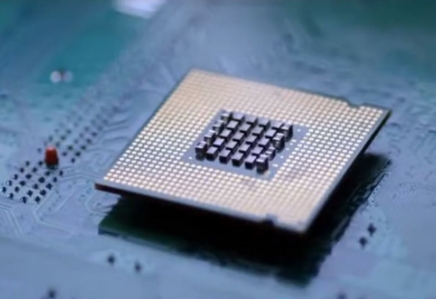
Technological Breakthroughs Driving Progress
The development of new materials has been a cornerstone of neuromorphic computing advancements. Two-dimensional (2D) materials such as molybdenum disulfide (MoS₂) and tungsten diselenide (WSe₂) offer unique electrical properties that enhance device performance. Researchers have fabricated 2D-material-based neuromorphic transistors with subthreshold swings as low as 40 mV/decade, significantly improving energy efficiency compared to traditional silicon-based devices.
In addition to material innovation, circuit design has also seen remarkable progress. Spiking neural networks (SNNs), a type of neuromorphic architecture, operate on the principle of transmitting information through discrete electrical pulses called "spikes." This event-driven processing reduces power consumption by up to 90% compared to traditional neural networks, as SNNs only consume energy when spikes are generated. Some SNN-based chips can execute complex algorithms, like image recognition, with 1/100th the energy of conventional GPUs.
Real-World Applications and Transformative Potential
In the realm of edge computing, neuromorphic systems are revolutionizing how devices process data locally. For example, in autonomous vehicles, neuromorphic sensors can detect and classify objects in real-time with minimal latency and energy consumption. This enables immediate decision-making, such as braking or steering, without relying on constant cloud connectivity, enhancing both safety and efficiency.
Healthcare is another area experiencing the impact of neuromorphic computing. Implantable neural interfaces that use brain-inspired algorithms can decode neural signals with high precision, helping patients with paralysis regain control of prosthetic limbs. These interfaces adapt to the patient's changing neural patterns over time, providing more natural and intuitive movement control.
Looking towards the future, neuromorphic computing is set to reshape the AI landscape. Traditional deep learning models often require vast amounts of labeled data and powerful computing resources for training. Neuromorphic systems, on the other hand, can learn from sparse, unstructured data, much like the human brain. This ability could unlock new possibilities in areas such as unsupervised learning, where machines discover patterns on their own, and real-time data analysis for applications like fraud detection and environmental monitoring.
As research continues to push the boundaries of what's possible, neuromorphic computing stands at the cusp of a technological revolution. By bridging the gap between biology and electronics, these brain-inspired designs are not only enhancing computational capabilities but also opening doors to a new era of intelligent, energy-efficient systems.
Related information




- 4,000+ Daily Average RFQ

- 12,000,000+ SKUs

- 2,900+ Worldwide Manufacturers

- 9,000+ ㎡ In-stock Warehouse


